

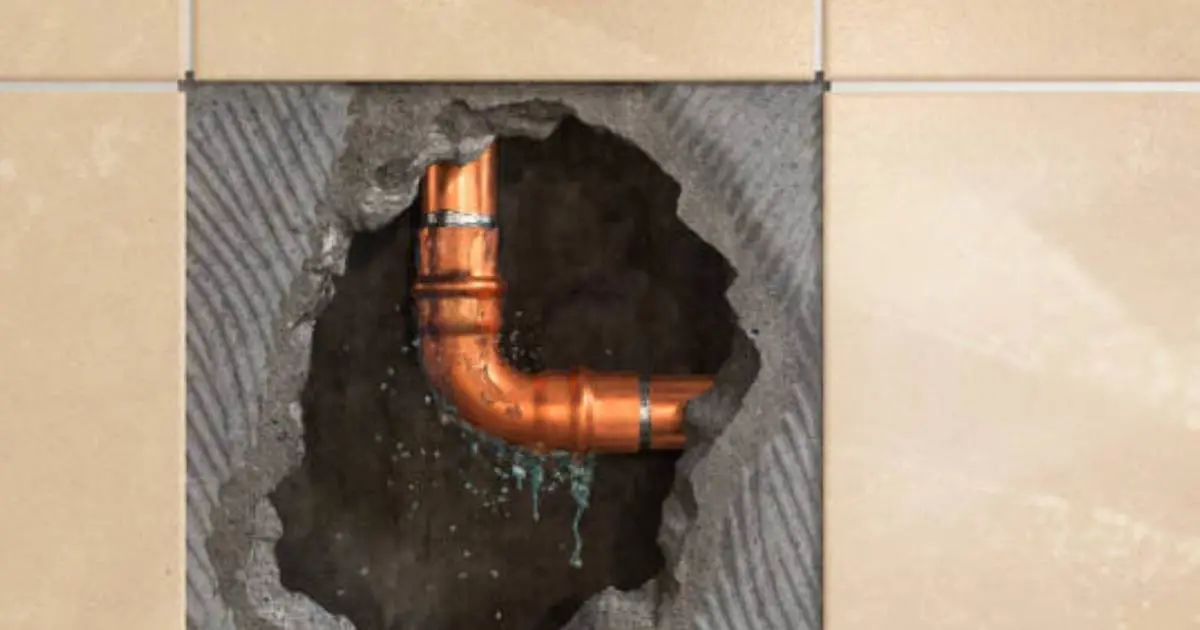
Water damage doesn't always announce itself with a puddle or a burst pipe. Some of the most destructive leaks in your home hide behind walls, under floors, or beneath your foundation—silently wasting water and weakening your home's structure for weeks or even months before you notice anything wrong. For North Texas homeowners, understanding how to spot these hidden problems early can mean the difference between a simple repair and thousands of dollars in damage restoration.
Don't wait for a small leak to become a big problem. If you notice any warning signs in your home, contact DNA Plumbing Heating and Air through our online contact form or call (214) 817-3755 today.
What Makes Hidden Leaks So Dangerous?
Unlike a dripping faucet you can see and hear, hidden leaks work in the shadows. They can damage your home's structural integrity, create an environment where mold thrives, and drive up your water bills without any obvious explanation. A leak behind a wall might go unnoticed until you see water stains on the ceiling below, or worse, until the drywall becomes soft and begins to crumble. By the time visible damage appears, the leak has often been active long enough to cause serious harm.
The good news? Most hidden leaks leave clues if you know what to look for. Catching these signs early gives you the chance to address the issue before it spirals into a costly emergency.
Check Your Water Meter for Unusual Activity
Your water meter tells the truth about what's happening in your plumbing system. This simple test can reveal whether water is flowing through your pipes when it shouldn't be. Turn off all water-using appliances and fixtures in your home—that means no dishwasher running, no washing machine cycling, no one showering or flushing toilets. Once everything is off, locate your water meter and write down the numbers you see.
Wait about two hours without using any water, then check the meter again. If the numbers have changed, water is flowing somewhere in your system even though nothing is turned on. This typically indicates a leak somewhere in your home's plumbing. The meter test works because it captures all water movement in your system, including leaks you can't see or hear.
Watch for Unexplained Water Bill Increases
Your monthly water bill usually stays fairly consistent unless your household habits change significantly. If you notice your bill creeping up month after month without any obvious reason—no new household members, no changes in irrigation or lawn care, no increase in water use—a hidden leak might be the culprit. Even a small, steady leak can waste hundreds of gallons per month, and that waste shows up on your statement.
Compare several months of bills to look for patterns. A sudden spike might indicate a specific event like a toilet flapper that failed, while a gradual increase over time could point to a slow leak that's getting worse. Keep in mind that seasonal changes can affect water use, so compare bills from the same time periods in different years for the most accurate picture.
Listen for Running Water When Everything Is Off
Sometimes your ears can detect what your eyes miss. Walk through your home during a quiet time—early morning or late evening works well—and listen carefully. Do you hear the sound of water running through pipes when all fixtures are turned off? Can you hear a hissing or dripping sound coming from inside a wall or under a floor? These sounds might be faint, but they're important clues that water is moving somewhere it shouldn't be.
Pay special attention to areas near bathrooms, kitchens, water heaters, and laundry rooms where plumbing connections are concentrated. If you hear water sounds in these locations when you're not using water, it's time to investigate further or bring in professional help for leak detection.
Inspect Your Home for Visual Warning Signs
Hidden leaks often leave visible evidence before they cause catastrophic damage. Training yourself to spot these early warning signs can save you significant time and money.
Ceiling and Wall Discoloration
Water stains on ceilings and walls typically appear as yellowish or brownish spots that grow over time. You might see these directly below a bathroom on an upper floor, or they might appear in seemingly random locations where pipes run through walls. Fresh water stains often look darker and may feel damp to the touch, while older stains might be dry but leave discoloration behind.
Peeling or Bubbling Paint and Wallpaper
When moisture builds up behind walls, it causes paint and wallpaper to lose adhesion. You might notice paint that bubbles or peels away from the wall surface, or wallpaper that lifts at the seams or develops bubbles underneath. These signs suggest that water is trapped between the wall covering and the wall itself.
Warped or Damaged Flooring
Wood flooring that suddenly develops warps, cups, or soft spots might be sitting above a leak. Vinyl or laminate flooring might start to lift at the seams or feel spongy when you walk on it. Water damage to floors often indicates a leak in the plumbing system below or a problem with a water-using appliance nearby.
Musty Odors
A persistent musty smell in a room—especially in bathrooms, kitchens, basements, or laundry areas—often signals moisture where it doesn't belong. This smell comes from mold and mildew growing in damp conditions created by a hidden leak. Don't ignore unusual odors, as they frequently appear before visible damage does.
Each of these visual clues tells you that moisture is present somewhere it shouldn't be, and investigating promptly can prevent the problem from expanding.
Monitor Your Foundation and Exterior
Not all hidden leaks stay inside your house. Your foundation and the ground around your home can show signs of underground plumbing problems. Walk around your property and look for areas where the grass is noticeably greener or growing faster than surrounding areas—this might indicate a water line leak underground that's providing extra moisture to that spot. You might also notice areas that stay muddy or wet even during dry weather, or sections of your foundation that develop new cracks or show signs of shifting.
Exterior wall cracks near plumbing penetrations, rust stains on the outside of your home near pipes, or areas where the ground seems to be settling can all point to hidden water problems. These issues need attention because they can affect your home's structural stability over time.
Pay Attention to Your Water Heater
Your water heater works hard every day, and problems with this appliance can create significant leaks that remain hidden until major damage occurs. Check the area around your water heater regularly for signs of moisture, rust, or corrosion. Look at the pressure relief valve and the connections at the top of the unit where water lines enter. Small drips from these locations can seem insignificant but may indicate a problem that will worsen.
Feel the floor around the base of the water heater. If it feels damp or if you notice water stains on the floor, the tank itself might be leaking. Water heater leaks sometimes develop slowly, with small amounts of water evaporating before they form obvious puddles, making them easy to miss during a casual inspection.
Test Your Toilets for Silent Leaks
Toilets are common sources of hidden leaks that waste tremendous amounts of water. The leak happens inside the tank, where a worn flapper valve allows water to flow continuously from the tank into the bowl without making much noise. This type of leak can waste up to 200 gallons of water per day without creating any puddles or obvious signs.
Try this simple test: Add a few drops of food coloring to the toilet tank and wait about 30 minutes without flushing. If the color appears in the toilet bowl, you have a leak. The flapper valve isn't sealing properly, and water is flowing from the tank into the bowl constantly. This is usually an easy fix, but identifying it early prevents wasted water and higher bills.
Look at Your Appliances and Their Connections
Washing machines, dishwashers, refrigerators with ice makers, and other water-using appliances have supply lines and connections that can develop leaks over time. Pull these appliances away from the wall periodically to inspect the hoses and connections behind them. Look for moisture, rust, or water stains on the wall or floor. Check that hoses feel firm and intact without cracks, bulges, or soft spots.
These connection leaks often start small and stay hidden behind the appliance where you don't see them during daily use. Regular inspection helps you catch problems when they're still minor. If you find any signs of moisture or damage, addressing the issue promptly can prevent water from spreading to surrounding areas.
Know When to Call for Professional Help
While many of these inspection steps help you identify potential problems, some situations require professional expertise. If you've found evidence of a leak but can't locate the source, if you hear water running but can't determine where it's coming from, or if you see warning signs but aren't sure how serious the problem is, it's time to reach out to professionals who specialize in plumbing services.
Professional leak detection uses specialized equipment like acoustic sensors, thermal imaging cameras, and moisture meters that can pinpoint leaks without requiring invasive exploratory work. These tools can find problems behind walls, under slabs, and in other locations that are impossible to inspect visually. The investment in professional detection often pays for itself by preventing unnecessary damage and helping you address the right problem the first time.
Protect Your Home with Early Detection
Hidden leaks in your North Texas home don't have to turn into major disasters. By staying alert to warning signs, conducting simple tests like the water meter check, and inspecting your home regularly, you can catch most problems while they're still manageable. The key is making leak detection part of your routine home maintenance rather than waiting for obvious damage to appear.
Remember that small issues grow into big problems when ignored. That mysterious increase in your water bill, that faint sound of running water, or that small discolored spot on the ceiling—these early clues give you the opportunity to act before serious damage occurs. Trust your instincts when something seems off with your plumbing, and don't hesitate to investigate further when warning signs appear.
Get Expert Leak Detection in North Dallas–Fort Worth
Don't let a hidden leak damage your home and drain your wallet. DNA Plumbing Heating and Air serves the North Dallas–Fort Worth area with experienced leak detection and repair services that help homeowners protect their properties.
If you suspect a leak in your home or want a professional inspection for peace of mind, reach out through our online contact form or call (214) 817-3755 to schedule service today.

.jpg.2602012354391.webp)
.jpg.2511240045003.webp)