Water filtration pitchers line the shelves at every big-box store, marketed as an easy, cost-effective solution to tap water concerns. Some of that is accurate. A lot of it is not. This guide explains what the most common pitchers remove, where they fall short, and what whole-house options offer filtered water at every tap.
Curious about water filtration options for your Plano home? Call DNA Plumbing Heating and Air at (214) 817-3755 or contact us online to talk through our team’s recommendations based on your water and your home's setup.
What Water Filtration Pitchers Actually Do
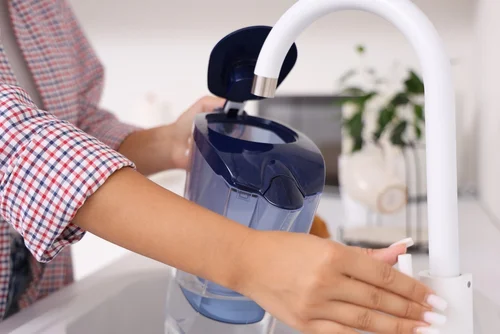
Pitcher filters operate using activated carbon, ion exchange resin, or a combination of both. Water sits in the reservoir and gradually passes through the filter media before reaching the lower chamber.
The most widely used pitcher brands include:
- Brita – Uses activated carbon to reduce chlorine taste and odor, some sediment, and limited amounts of certain heavy metals like copper and cadmium. Standard Brita filters do not remove lead. The Brita Longlast filter adds lead reduction.
- PUR – Similar activated carbon design with slightly broader claims for contaminant removal, including some lead and industrial chemicals. Advertised to filter more contaminants than the standard Brita.
- ZeroWater – Uses a five-stage ion exchange filter designed to bring total dissolved solids (TDS) close to zero. Removes a wider range of dissolved minerals and some heavy metals, but filters deplete quickly in high-TDS water like Plano's.
- Clearly Filtered – One of the more aggressive pitcher filters on the market, with filters covering PFAS, lead, chromium-6, and hundreds of other contaminants. Slower flow rate and higher cost per filter.
What They Cannot Remove
Even the strongest pitcher filter has real limitations. Knowing what falls outside its range helps you determine whether your water concerns align with what the product is designed to do.
Pitchers may not remove:
- Hard water minerals (calcium and magnesium) – Pitchers do not soften water. ZeroWater's ion exchange process reduces dissolved solids temporarily, but pitchers are not water softeners and do not protect your pipes or appliances from scale buildup.
- Bacteria and viruses – Standard pitcher filters are not designed for microbiological treatment. They will not make contaminated or untreated well water safe to drink.
- All PFAS compounds – Some pitchers now address a portion of PFAS chemicals, but coverage varies significantly by filter and the category of PFAS present.
- Water in the rest of the house – A pitcher filters only the water you pour into it. Your showers, laundry, dishwasher, and ice maker still run on unfiltered tap water.
Better Alternatives for Homeowners
If your concern goes beyond the taste of your drinking water, pitcher filters are not the right tool for you.
Whole-home options address what pitchers miss include:
- Whole-home water filtration systems treat water at the entry point, so every tap, appliance, and fixture in the house receives filtered water. These systems remove sediment, chlorine, certain chemicals, and other contaminants, depending on the filter media used.
- Water softeners specifically target hard water. Plano sits in a region with notably hard municipal water, and the calcium and magnesium buildup that accumulates in pipes, water heaters, and fixtures shortens equipment life and affects everything from your morning shower to your water heater’s lifespan. A softener removes those minerals before they reach your plumbing.
- Reverse osmosis (RO) systems install under the kitchen sink and push water through a semipermeable membrane that removes a wide range of contaminants, including lead, nitrates, PFAS, and dissolved solids. This is a more thorough solution for drinking and cooking water than most pitchers offer.
At DNA Plumbing Heating and Air, our team can assess your current water quality and home setup before recommending any filtration system. If you are not sure what your tap water contains, that conversation is a good starting point.
Contact us at (214) 817-3755 to schedule a water filtration consultation in Plano and the surrounding area. We provide upfront pricing and honest recommendations based on what your home needs.