If you shower in Plano and step out feeling like your skin still has a coating, you're not imagining it. Plano's municipal water is considered hard, and the minerals responsible for scale buildup on faucets and fixtures can also affect your skin. This blog post explains why it happens and what can help.
Want softer water throughout your Plano home? Call DNA Plumbing Heating and Air at (214) 817-3755 or contact us online to ask about our water softener installation services.
What Makes Plano's Water Hard?
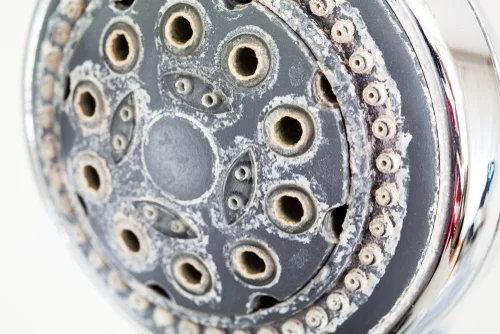
Water hardness measures the amount of dissolved calcium and magnesium in water. The water in Plano comes from the North Texas Municipal Water District (NTMWD), mainly from nearby lakes. It consistently falls within the 'Hard' range, usually between 140 and 160 mg/L (8 to 10 grains per gallon). Although these levels can vary with the seasons, they are high enough to lead to noticeable scale buildup on fixtures and appliances.
Those minerals are safe to drink, but they interact with your skin, soap, and shampoo in ways that cause noticeable effects.
How Hard Water Affects Your Skin
When you shower with hard water, the calcium and magnesium ions react with the fatty acids in soap and body wash to form what chemists call soap scum. That residue does not rinse off your skin as thoroughly as it would with soft water. Instead, a thin film stays on the surface after you dry off.
The effects of that residue build up with repeated exposure:
- Disrupted skin barrier – Your skin's outer layer relies on natural oils to hold moisture in. Soap scum residue and hard water minerals strip those oils, leaving the skin's barrier less effective at retaining moisture.
- Increased dryness and tightness – Many residents report dry, tight skin within minutes of stepping out of the shower, particularly in the cooler months when indoor air is drier.
- Irritation and itching – For people with sensitive skin or conditions such as eczema or psoriasis, exposure to hard water can worsen symptoms by more aggressively disrupting the skin barrier.
- Dull or rough skin texture – Mineral deposits left on the skin's surface create a rougher feeling and duller appearance, especially noticeable on the face and forearms.
Hard water does not cause eczema on its own, but research has linked exposure to hard water to aggravated skin conditions, particularly in households where water hardness exceeds 200 mg/L.
Solutions That Address the Root Cause
Moisturizer helps afterward. But addressing hard water at the source provides relief in every shower, not just the ones where you remember to put on lotion.
The following are solutions that can address hard water:
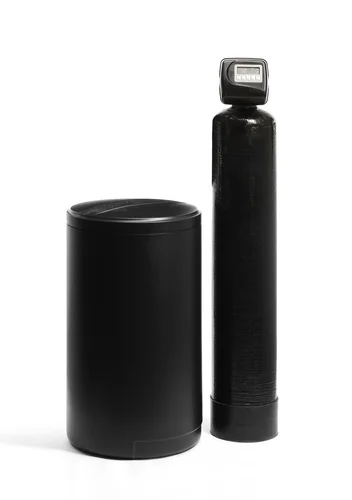
- Water softeners are the most effective whole-home solution. A salt-based water softener swaps calcium and magnesium ions for sodium ions through a process called ion exchange. The water that reaches your showerhead is softer, your soap lathers more completely, and the mineral residue that dries your skin is no longer present.
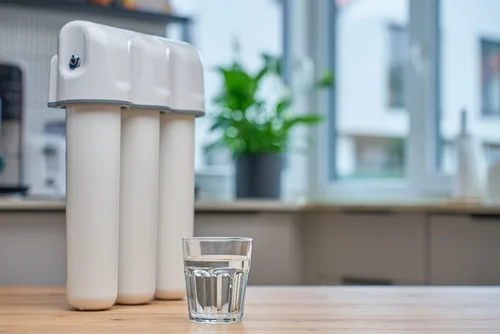
- Whole-Home Filtration addresses a broader range of contaminants, including hardness, when combined with a softener or appropriate filter media.
- Shower Head Filters are an inexpensive entry point. They reduce chlorine and some sediment, but do not treat calcium and magnesium hardness. If dry skin is your primary concern, a shower filter alone is unlikely to solve the problem.
At DNA Plumbing Heating and Air, our team evaluates your water to recommend the suitable softener size or system type. The ideal softener for a two-person household differs from that required by a larger home with multiple bathrooms, and we clarify this with transparent pricing before starting any work.
Contact us at (214) 817-3755 to schedule a water softener consultation for your Plano home.