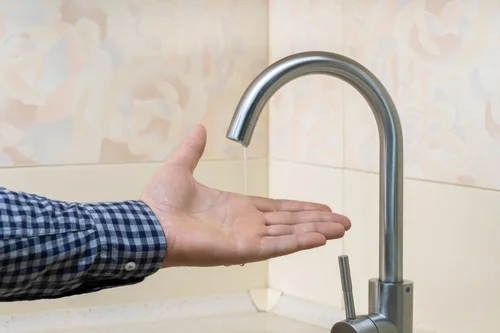
A weak trickle from the showerhead or a faucet that takes ages to fill a pot is one of those problems you notice right away and then tolerate for months. Low water pressure has specific causes, most of which can be diagnosed without calling a plumber first. This guide shows you the most common causes, how to check for them, and when you'll need to call a plumber.
Dealing with low water pressure in Plano? Call DNA Plumbing Heating and Air at (214) 817-3755 or contact us online to schedule a thorough diagnosis with upfront pricing before any work begins.
Common Causes of Low Water Pressure
Low pressure in a home usually indicates a specific issue with your plumbing system, the incoming water supply, or the fixtures themselves.
The most common causes include:
- Mineral buildup inside pipes – In areas with hard water, like Plano, calcium and magnesium deposits accumulate on the interior walls of pipes. As the buildup increases, the effective diameter of the pipe decreases, and so does the flow. This is common in older galvanized steel pipes, but it also occurs in copper lines.
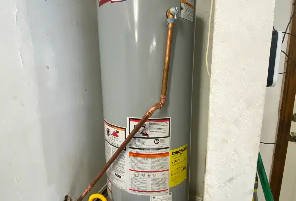
- Partially closed shutoff valve – The main shutoff valve at your home's water meter or the secondary valve near the water heater is sometimes closed partially during service and not fully reopened. Even a quarter-turn restriction drop noticeably reduces pressure.
- Pressure-reducing valve (PRV) failure – Many homes have a PRV installed near the water main entry point. These valves regulate incoming water pressure to protect your pipes. When a PRV fails or its setting drifts, pressure drops throughout the house.
- Pipe corrosion or damage – Corroded or compromised pipes restrict flow and, in the case of a slow leak, bleed off pressure before water reaches your fixtures.
- Slab leak – If water is escaping through a crack in a pipe beneath the foundation, pressure drops throughout the home. This is a serious situation that requires professional assessment.
- Municipal supply pressure drop – If your whole neighborhood is experiencing low pressure, the issue may originate at the city's supply level. Water utility providers publish pressure information and handle line issues outside your property.
- Clogged or worn aerators and showerheads – If only one fixture has low pressure, the problem is usually local. Mineral deposits clog the small screen (aerator) on faucets and the nozzles inside showerheads.
How to Diagnose Low Pressure Yourself
Many low-pressure issues have simple causes, and working through this list first saves time and narrows what a plumber needs to look for if the problem persists.
Before calling anyone, run through these checks:
- Determine whether it is a whole-house or a one-fixture leak – Turn on faucets throughout the house. If pressure is low everywhere, the issue is in the main supply, the PRV, or the primary pipes. If pressure is low at one faucet or shower, start there.
- Check the main shutoff valve – Find your home's main shutoff (usually near the water meter at the street, inside the garage, or in a utility room) and confirm it is fully open.
- Inspect the PRV – The PRV typically looks like a bell-shaped fitting on the main water line entering the house. If it is older than 10 years or you have never had it inspected, it is worth having a plumber test the outgoing pressure.
- Remove and clean aerators – Unscrew the aerator from the tip of any low-pressure faucet. Soak it in white vinegar for 30 minutes and rinse it. If pressure improves, mineral buildup is the culprit.
- Clean or replace the showerhead – Soak the showerhead in vinegar, or unscrew it and soak the face plate. If pressure returns after cleaning, scale was blocking the nozzles.
- Check for visible signs of leaks – Look under sinks, around the water heater, and along any exposed pipes. Wet spots, rust staining, or warm spots on the floor near a slab foundation all warrant a closer look.
If you complete all six steps and the pressure remains low, or if you notice signs of a leak, that is the time to call a plumber. The checks above help identify what is not the problem, which is useful information for the next person diagnosing the issue.
When to Call a Plumber
Some pressure problems are DIY-friendly. Others need a professional assessment before they turn into something larger.
Call our team when:
- Pressure is low throughout the house, and all shutoff valves are fully open
- You suspect a slab leak (warm spots on the floor, unexplained water bill increase, or the sound of running water when everything is off)
- The PRV may need adjustment or replacement
- Pipes in your home are older galvanized steel, which is prone to corrosion-related restriction
- Cleaning fixtures did not improve pressure at multiple locations
At DNA Plumbing Heating and Air, our plumbers use pressure gauges and diagnostic tools to locate the restriction. We clearly explain our findings with upfront pricing before suggesting any repairs. Low water pressure in Plano has a specific, diagnosable cause, and identifying it early helps keep repairs cost-effective.
For low-water-pressure diagnosis and repair in Plano and the surrounding area, contact us at (214) 817-3755. We are available 24/7 for urgent issues and offer same-day scheduling when available.