Water heater replacement is one of those expenses that can feel sudden, even if the unit has been aging for years. Most people don’t know what to expect until they are already without hot water, which is the worst time to start researching costs.
The total replacement cost in the Plano area depends on several factors: the type and brand of the unit, the complexity of installation, and whether any code updates are needed. This guide breaks it down so you can go into the process informed.
Need a water heater replacement estimate? Contact us at (214) 817-3755. DNA Plumbing Heating and Air provides upfront pricing before any work begins.
Average Water Heater Replacement Costs
The following ranges show the total installed cost, including the unit, labor, permits when needed, and standard installation materials. Every home varies, so the final cost depends on various factors.
Water Heater Type | Typical Installed Cost Range |
Standard gas tank (30 to 50 gallon) | $2,200 to $4,500 |
Standard electric tank (30 to 50 gallon) | $2,000 to $3,500 |
Tankless gas (whole-home) | $3,500 to $6,000 |
Tankless electric (whole-home) | $1,500 to $3,500 |
Heat pump water heater (hybrid) | $3,500 to $9,000 |
Factors That Affect the Final Cost
The numbers above are averages. Some variables move the final price up or down.
Key cost factors include:
- Unit size and capacity – A 30-gallon tank costs less than a 50-gallon model; a tankless unit sized for a larger home or high-demand household requires a more powerful and more expensive system
- Gas vs. electric – Gas units tend to cost more upfront than comparable electric models, but they often have lower operating costs over time, especially in the DFW area where natural gas rates compare favorably to electricity
- Switching fuel types or unit types – Replacing a tank unit with a tankless, or switching from gas to electric (or vice versa), requires additional work: new venting, electrical panel upgrades, or gas line modifications, all of which add to the cost
- Location and accessibility – A unit in an open utility closet is straightforward to replace; a unit tucked in a low-clearance attic or crawl space adds labor time
- Code compliance updates – Older installations may require updated expansion tanks, pressure relief valve upgrades, or updated venting to meet current codes; these are not optional and are included in our job scope before we start
- Disposal of the old unit – Removal and disposal of the existing unit is typically included in a full replacement service; confirm this is included in any quote you receive
Our team reviews each of these factors with you during the estimate so you fully understand what influences the final number before making any commitments.
Replacement Options: What Are You Choosing Between?
If your current water heater needs to be replaced, you have several important choices to consider beyond simply installing the same model.
Tank vs. Tankless
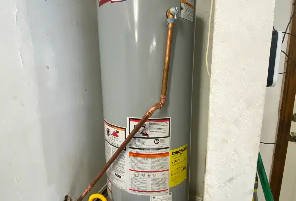
A traditional tank water heater stores and constantly heats a set amount of water. It is the lower-cost option upfront and a suitable replacement for most homes. A tankless unit heats water only when needed, lasts longer (about 20 years compared to 8 to 12 for a tank), and doesn’t lose heat when not in use. The higher initial cost usually balances out over the unit's lifespan, especially for households with high water demand.
Brand Options
Water heaters are available across a wide range of brands, and price points vary accordingly. Brand differences typically come down to warranty length, parts availability, and efficiency ratings. Our plumbers can walk you through the options that fit your budget and your home’s set up before any decision is made.
Standard vs. High-Efficiency
Standard efficiency units meet code minimums. High-efficiency and condensing units recover more heat from the combustion process and reduce monthly operating costs. In natural gas pricing environments like DFW, the payback period on a high-efficiency upgrade is often 3 to 6 years, depending on usage.
Repair vs. Replace: A Quick Decision Guide
When a water heater begins to malfunction, it’s not always clear whether a repair will fix the problem or just delay a bigger issue. Recognizing a few key signs can help you make a more informed, cost-effective choice.
Replace rather than repair when:
- The unit is 10 or more years old – A major repair on an aging unit often delays rather than solves the problem, and the cost comparison to replacement narrows quickly
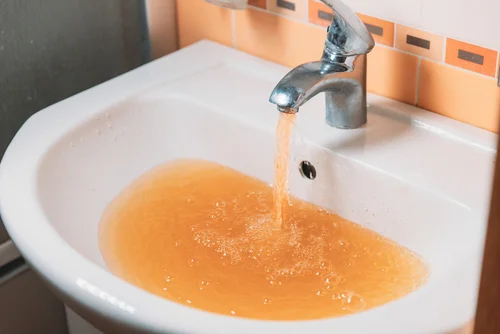
- You are seeing rust or sediment in the water – Internal corrosion is not repairable; once the tank lining fails, replacement is the only path
- Repairs have already been done in the past two years – Recurring repairs signal end-of-life deterioration rather than a one-time failure
- Your hot water demand has changed – A family that has grown, or a home that added bathrooms or appliances, may need more capacity than the current unit provides
If the unit is less than six years old and the issue involves a failed thermocouple, heating element, or anode rod, repair usually makes sense. Our technicians evaluate the unit's age, condition, and failure type before recommending a course of action, and they provide both options and their costs so you can decide what fits your home.
Replacing a water heater doesn't have to feel stressful or rushed. With transparent pricing, a clear explanation of your choices, and financing options for qualified projects, our team at DNA Plumbing Heating and Air provides the information you need to make a confident decision, whether that's repairing your current unit or replacing it with a better long-term solution.
Get a water heater replacement estimate. Call (214) 817-3755 or book online.