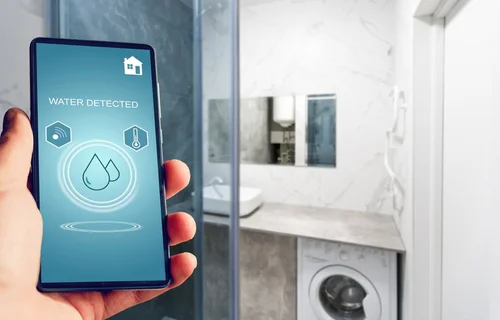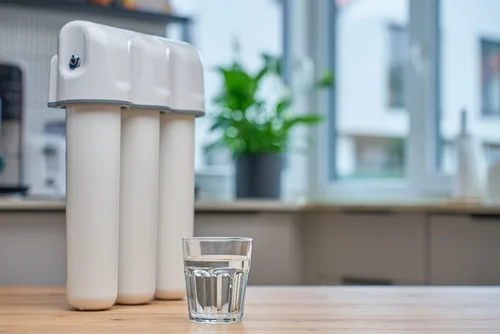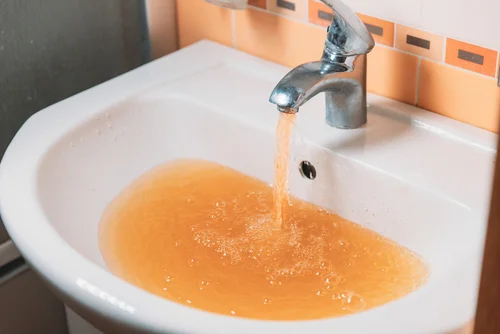
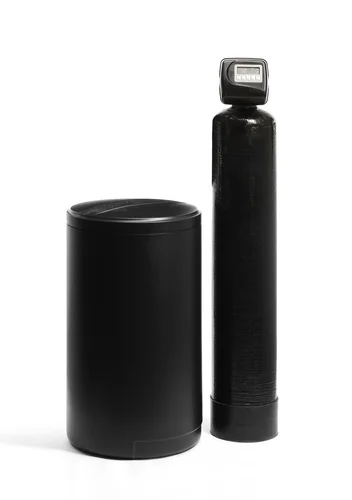
Dallas and Fort Worth draw from surface lakes: Ray Roberts, Lewisville, Tawakoni, Eagle Mountain, and the Clear Fork of the Trinity are among the sources. That water runs hard to very hard depending on which district serves your home. Scale builds on showerheads, inside water heaters, across appliances. The calcium and magnesium in hard water deposit wherever the water goes, and in this area, the hardness levels mean it shows up faster than expected.
Chloramine is the factor that changes which softener you buy. These cities disinfect with a chlorine-ammonia compound rather than free chlorine alone, and that affects how standard resin and rubber seals hold up. This post doesn't pick one product as the best. It looks at the two main types of water softeners and how four whole-home brands compare, so you know which one is right for your home.
To talk through water quality options in North DFW, call DNA Plumbing Heating and Air at (214) 817-3755 or contact us online.
What Hard Water Does to Your Home
Scale builds inside a water heater's tank and hardens against the heating element. Your water heater runs daily, and that layer of scale forces the element to work longer to reach temperature. That increases energy use and shortens the unit’s lifespan. You'll notice the same buildup on faucets and showerheads, as white residue and spots on glasses after washing, and as dry skin after a shower.
Point-of-Use vs. Whole-Home Water Softeners
The category split comes down to scope. Point-of-use systems treat a single fixture, such as a kitchen faucet or showerhead, and install at the point of delivery. They cost less upfront and allow DIY filter replacements, making them a reasonable starting point for renters or anyone who wants to compare the difference before committing to a more expensive option. If scale and hardness are affecting every fixture, appliance, and pipe in your house, a single-fixture system won't address it. Whole-home installs at the main water line and handles the hardness before the water reaches anything else.
Why Chloramine-Treated Water Changes the Calculation
The DFW area treats drinking water with chloramines rather than free chlorine alone. Chloramine is more chemically stable. It doesn't off-gas the way free chlorine does and stays active in distribution far longer. A 2025 water quality report for this area shows an average chlorine residual of 2.97 ppm. Standard ion exchange resin and rubber seals degrade faster under chloramine than under free chlorine. Some whole-home systems account for this with carbon pre-filtration or chloramine-rated components built into the design. Some don't. That's the distinction that matters when you're comparing these systems.
A Closer Look at Four Whole-Home Systems
When whole-home treatment is the right direction, the following four systems are worth comparing.
Fleck 5600 SXT
The Fleck 5600 SXT has been around long enough that its parts are easy to source, and that matters when a valve or resin bed eventually needs replacing. The turbine-electronic metered valve, solid-state computer controls, and brine tank with a safety float system are proven components. Warranty: 5-year valve, 10-year tank. Worth considering if you want a system with a long track record. Because standard resin degrades faster under chloramine, ask about a carbon pre-filter or upgraded crosslinking resin before sizing this system for chloramine-treated water.
WaterTech Reionator Pro
The Reionator Pro handles more than hardness. It reduces iron and lead, along with calcium and magnesium, and the multi-stage design addresses chlorine taste and odor in a single pass. The Triton metered valve is programmable and runs onboard diagnostics. Warranty: 5-year valve, 10-year tank. If your water has a noticeable chlorine smell alongside hardness, a system that handles the odor and the minerals in a single unit is worth the comparison.
HALO CK10
The HALO CK10 is an ion-exchange softener with a metered valve and three tank sizes to match different household flow rates: 14 peak GPM for smaller homes and up to 18 peak GPM for larger homes. It runs on salt or potassium, which matters if you have a septic system, dietary restrictions, or a yard where runoff from softened water is a concern. Warranty: 10 years. Worth considering if you want a dedicated softener with a strong warranty and the flexibility to use potassium instead of sodium.
Chandler Systems / CSI Water Treatment Systems
Chandler Systems targets calcium and magnesium, reduces chloramine taste and odor, and uses replaceable carbon media. A smart metered valve tracks actual household usage and adjusts regeneration cycles to minimize salt consumption. Water metrics are accessible via smartphone.
If you have a larger home and want a system that adjusts to your usage rather than running on a fixed schedule, Chandler is worth considering.
Matching the System to Your Water
This region's water is hard and treated with something that most standard softeners weren't designed around. A system that holds up well elsewhere won't always hold up in this one if its components weren't rated for this water chemistry. DNA Plumbing Heating and Air handles water quality assessment and installation across the region. Our team looks at what's in front of us, tells you what we find, and gives you the options.
For water softener installation in North DFW, contact us at (214) 817-3755.