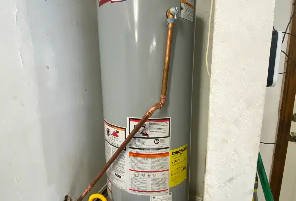
Draining a water heater is one of the most effective ways to extend its lifespan, but homeowners often face the same issue: they open the drain valve and very little or nothing comes out. The water heater appears fine, the valve is open, but the flow is just a trickle at best.
This is more common than most people realize, and the cause is almost always one of two things: sediment buildup blocking the drain valve or the valve itself failing to open properly. Our team at DNA Plumbing Heating and Air regularly addresses these issues for homeowners across Plano, TX. This guide discusses what's happening and what you can do about it.
If your water heater won't drain or you're unsure whether it's functioning properly, contact us at (214) 817-3755. We handle water heater maintenance and repair.
Why Water Heaters Need to Be Drained
In North Texas, the water supply has a relatively high mineral content. Calcium and magnesium settle at the bottom of the water heater tank as sediment. This layer insulates the water from the burner in gas heaters or the element in electric units, causing the system to work harder to heat the same amount of water. It also shortens the tank's lifespan and can produce rumbling or popping sounds during heating cycles.
Flushing the tank annually prevents buildup from causing problems. The problem is that many homeowners try this for the first time after missing it for years, and by then, the drain valve is often partially or completely clogged.
The Most Common Causes of a Water Heater That Won't Drain
When a water heater won’t drain, it’s usually caused by a few common issues rather than a total system failure. Knowing what’s causing the blockage or slow flow can help you decide whether it’s something simple to fix or a sign you need deeper maintenance.
Below, we discuss the most common reasons why this happens and what each one generally indicates.
Sediment Clogging the Drain Valve
This is the main cause. After years of buildup, the sediment layer at the bottom of the tank can become thick enough to physically block the drain valve opening. You open the valve, but the sediment blocks the outlet. The water heater isn't broken, but it requires a different method to clear it.
What to do: Attach a garden hose to the drain valve and direct it outside or to a floor drain. Try opening and closing the valve several times quickly. The movement sometimes dislodges the plug. If that doesn't work, our technicians can use a wet/dry vacuum to create suction at the valve, which usually pulls the sediment blockage free.
A Stuck or Corroded Drain Valve
Drain valves on water heaters are usually made of plastic or brass. In older units, especially those that haven't been used much, the valve stem can corrode in place and fail to open completely even when you turn it. A valve that's only a quarter open will just barely trickle.
How to identify this: If you've turned the valve handle fully and the water flow is minimal or absent, despite no visible sediment, the valve itself is the issue. Our technicians often replace these valves as part of service calls. It's a relatively simple repair that restores full drainage function and should be done before the tank is flushed.
No Cold Water Supply Running During the Drain
This is a common mistake. Draining without running fresh water through the tank creates a vacuum, which greatly slows drainage. You need to open the pressure relief valve or crack open a hot water faucet in the house to break the vacuum and let gravity do its job.
What to do: Open a hot water tap in the nearest bathroom or kitchen and leave it running while you drain. You'll see the flow rate at the drain valve increase immediately.
The Drain Valve Is Leaking or Failing
Sometimes the valve opens, water drains initially, then slows or stops as the valve seat fails to stay in its position. This indicates the valve should be replaced rather than just opened and closed again. A leaking drain valve is also a maintenance concern because even a slow drip will eventually cause mineral buildup and damage to the surrounding area.
What to watch for: Water seeping around the valve stem even when closed, or a valve that won't fully close after being opened. Our technicians carry replacement valves on their service vehicles and handle this during the same visit as the flush.
How to Flush a Water Heater Step by Step
If your drain valve is functional, you can try to complete the flush yourself.
Steps to flush your water heater:
- Turn off the power or gas – For electric heaters, switch off the circuit breaker. For gas heaters, set the thermostat to the 'pilot' setting.
- Shut off the cold water supply – The shutoff valve is on the cold water pipe entering the top of the tank.
- Connect a garden hose to the drain valve – Run the hose to an outdoor area or floor drain away from vegetation, as the drained water is hot.
- Open a hot water faucet inside – This breaks the vacuum in the tank and speeds drainage.
- Open the drain valve – Allow the tank to drain fully. If flow slows significantly, try briefly opening the cold water supply to stir up remaining sediment and flush it out.
- Close the valve, refill, and restore power – Once the tank is full and water flows steadily from the open hot water faucet, restore power or relight the pilot.
This process generally takes 30 to 60 minutes for most residential tanks. If water flow stops completely at any point, close the valve and contact a plumber before continuing.
When to Call a Plumber Instead of DIY
Some water heater problems are simple enough to fix on your own. Others require a technician.
Reach out to our team if:
- The valve won't open at all – Forcing a stuck valve risks snapping the stem, which can cause an uncontrolled water release.
- The tank hasn't been flushed in more than five years – Heavy sediment buildup requires professional clearing, and the drain valve likely needs replacement.
- The water heater is more than 10 to 12 years old – At this age, flushing puts additional stress on an aging system. Our technicians assess whether maintenance or replacement is the better investment.
- You notice rust-colored water during flushing – This indicates internal tank corrosion, which is a strong sign the unit is nearing the end of its life.
- You see water around the base of the tank – This warrants immediate professional assessment, as it may indicate a failing tank or connection.
Our technicians bring the parts and tools to service drain valves, flush tanks, and assess heater condition in one visit, giving you a clear picture of your water heater's status.
Preventing This Problem Going Forward
Once the tank drains properly, regular maintenance helps prevent the problem from happening again.
Annual maintenance habits that extend water heater life:
- Flush the tank once a year – Annual flushing keeps sediment from accumulating to the point where it blocks the drain valve.
- Check the anode rod every two to three years – The anode rod protects the tank from corrosion. When it's depleted, the tank itself begins to corrode from the inside.
- Exercise the drain valve annually – Opening and closing the valve briefly each year keeps it from seizing in place.
- Set the thermostat to 120° Fahrenheit – Temperatures above this accelerate mineral precipitation and increase the rate of sediment buildup.
A water heater that won't drain is almost always fixable, not a reason for an immediate replacement. The key is to address it correctly, rather than forcing components that aren't ready to cooperate. DNA Plumbing Heating and Air approaches every water heater call with a thorough assessment, so you know what you're dealing with and what the next step is.
Set up water heater maintenance or repair. Call (214) 817-3755 or book online with our team.